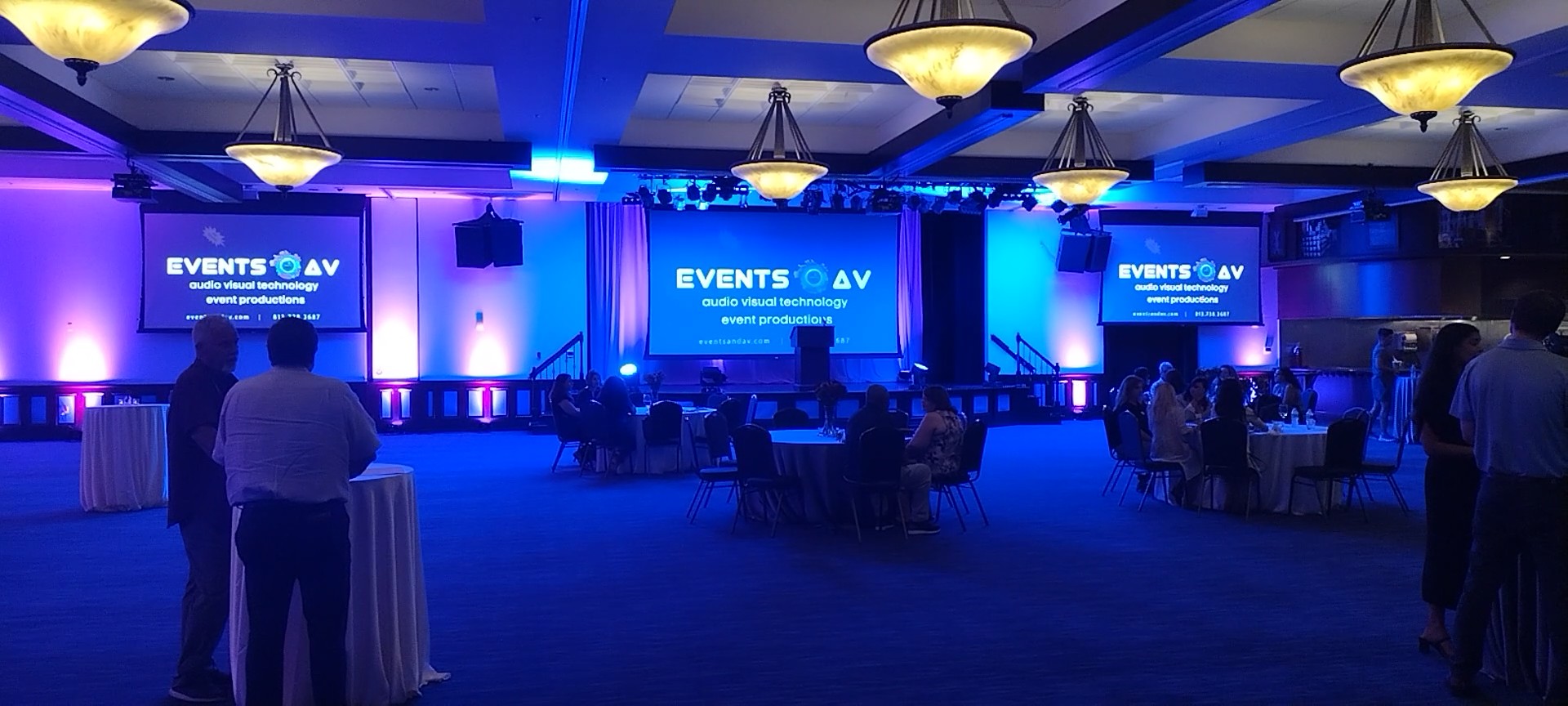
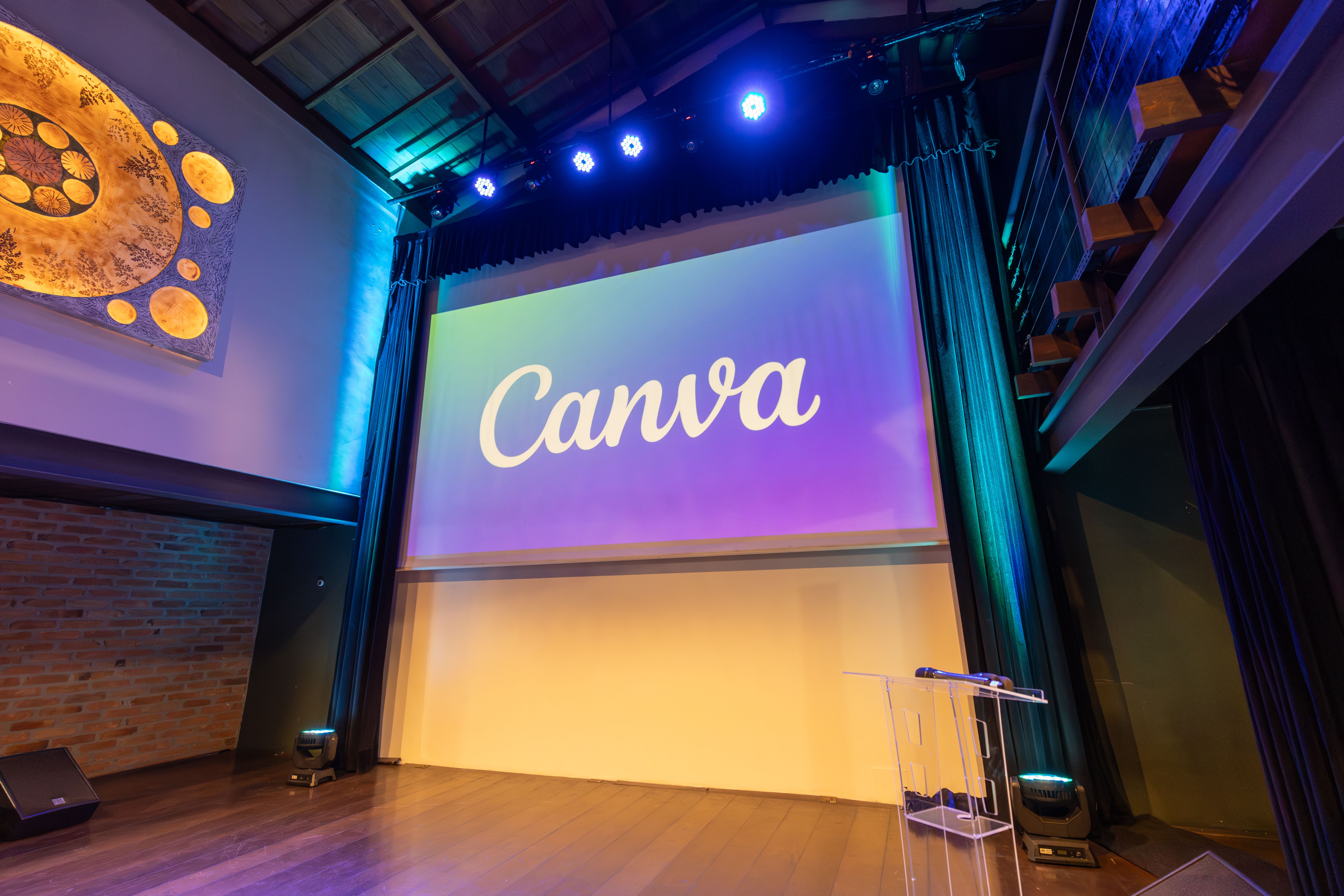
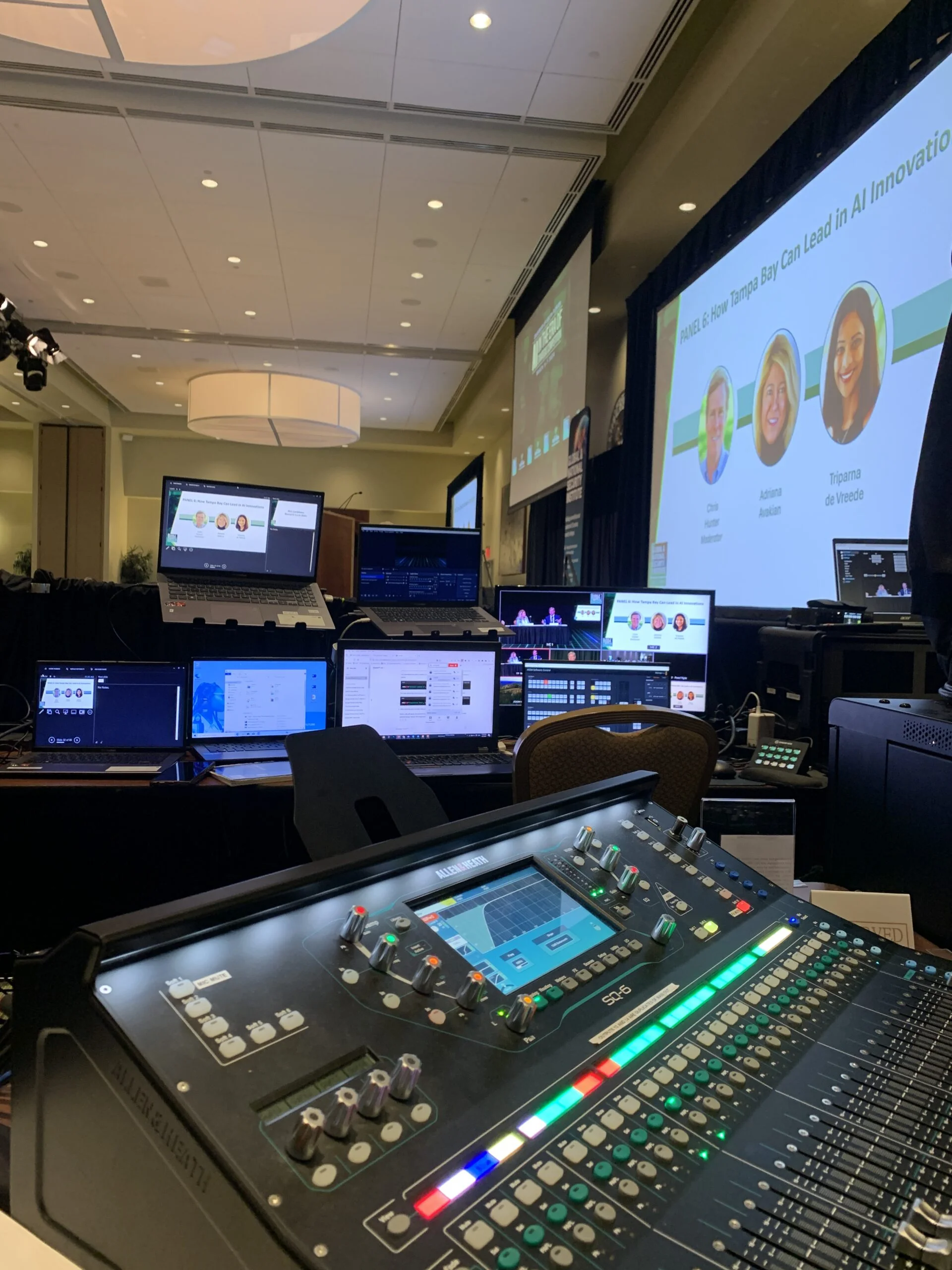
Great corporate events rarely happen by accident. Behind the keynote, polished presentations, clear sound, dramatic lighting, and seamless video is a detailed audio visual plan that started long before attendees entered the room.
Whether you are producing an annual meeting, leadership summit, association conference, awards program, or multi-day event, bringing your AV production team into the process early can save time, reduce surprises, and create a much stronger attendee experience.
Here are 10 AV planning tips from EventsAV to help you build a smoother, smarter production plan.
1. Bring Your AV Partner Into the Conversation Early
AV should not be one of the final boxes checked after the venue and agenda are complete. Your room selection, stage dimensions, seating layout, power, rigging, internet, and program schedule can all affect production.
Early collaboration gives your production partner an opportunity to recommend solutions before decisions become expensive or difficult to change.
2. Start With the Experience, Not the Equipment
Before deciding how many screens or microphones you need, define what you want attendees to experience. Is the event educational, celebratory, immersive, highly interactive, or designed for both in-person and remote audiences?
Once the experience is clear, the technology can support the goal instead of becoming the goal.
3. Review the Venue’s Technical Requirements
Every venue is different. Ask about electrical service, rigging policies, internet access, loading docks, ceiling heights, union requirements, exclusive services, and restrictions on outside production partners.
Understanding these details early helps prevent unexpected costs and production limitations.
4. Plan Audio for the Room You Actually Have
Clear audio is one of the most important elements of a successful event. Room size, ceiling height, seating configuration, stage location, and audience size all influence the audio design.
Think beyond microphones. Walk-in music, videos, panel discussions, audience Q&A, entertainment, and remote speakers may each require different audio considerations.
5. Design Video Around Audience Sightlines
A beautiful presentation does not help if half the room cannot see it. Screen size, LED wall dimensions, projection surfaces, stage height, room depth, and seating layout should be considered together.
For larger conferences, image magnification can allow attendees farther from the stage to clearly see speakers and important content.
6. Build Presentation Management Into the Plan
Last-minute slide changes are part of live events. Establish a process for collecting, testing, updating, and advancing presentations before show day.
A dedicated presentation management workflow can dramatically reduce the stress of speakers arriving with updated decks minutes before they take the stage.
7. Schedule Rehearsal Time
Rehearsals are not only for speakers. They allow the production team to test cues, walk-ons, videos, lighting changes, microphones, presentations, transitions, and show flow.
Even a short technical rehearsal can uncover issues that would otherwise appear in front of your audience.
8. Plan for Hybrid and Streaming Requirements Early
If any portion of your audience will participate remotely, streaming should be part of the production design from the beginning. Camera positions, lighting, audio feeds, internet bandwidth, remote presenters, recording, and platform requirements all matter.
The online audience should feel like part of the event—not like they are watching from the hallway.
9. Create a Backup Plan
Professional event production includes planning for the unexpected. Backup playback, spare microphones, redundant content, alternate connection methods, and contingency plans can keep a small technical problem from becoming a show-stopping issue.
10. Choose an AV Partner, Not Just an Equipment Provider
The strongest production teams do more than deliver speakers and screens. They help think through the entire event: pre-production, technical design, staffing, rehearsals, show flow, troubleshooting, and execution.
That collaborative approach is at the heart of EventsAV. We work alongside planners and organizations to create production solutions built around the event, audience, venue, and goals.
Planning Your Next Corporate Event?
The earlier your AV team understands your vision, the more opportunities there are to improve the experience and build the right production plan.
Planning an upcoming conference, meeting, gala, or corporate event? Schedule a consultation with EventsAV to discuss your audio visual and event production needs.